
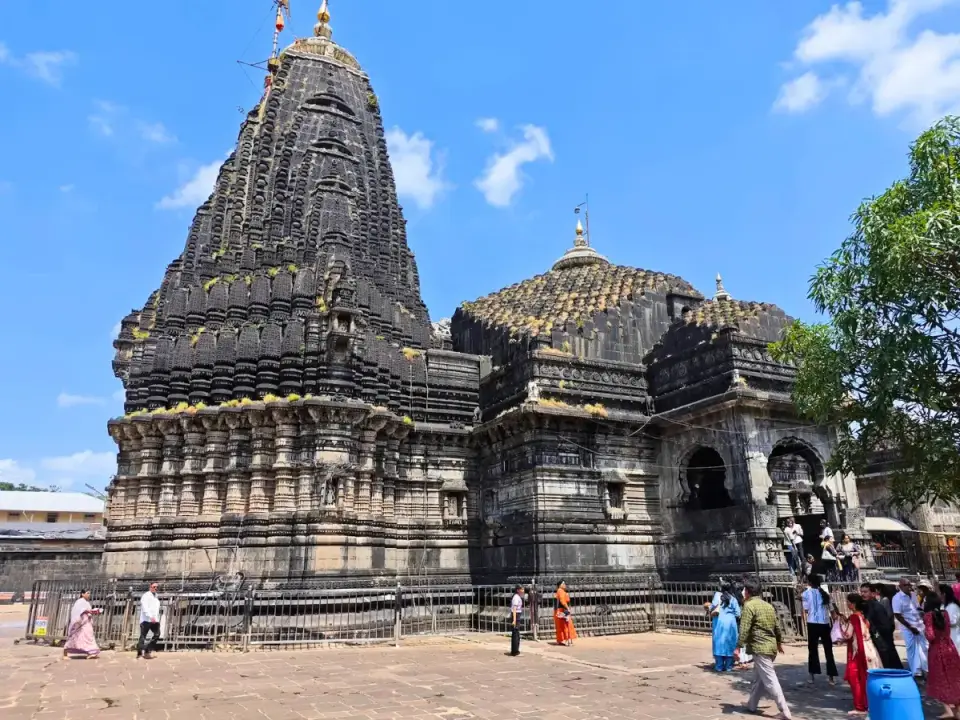
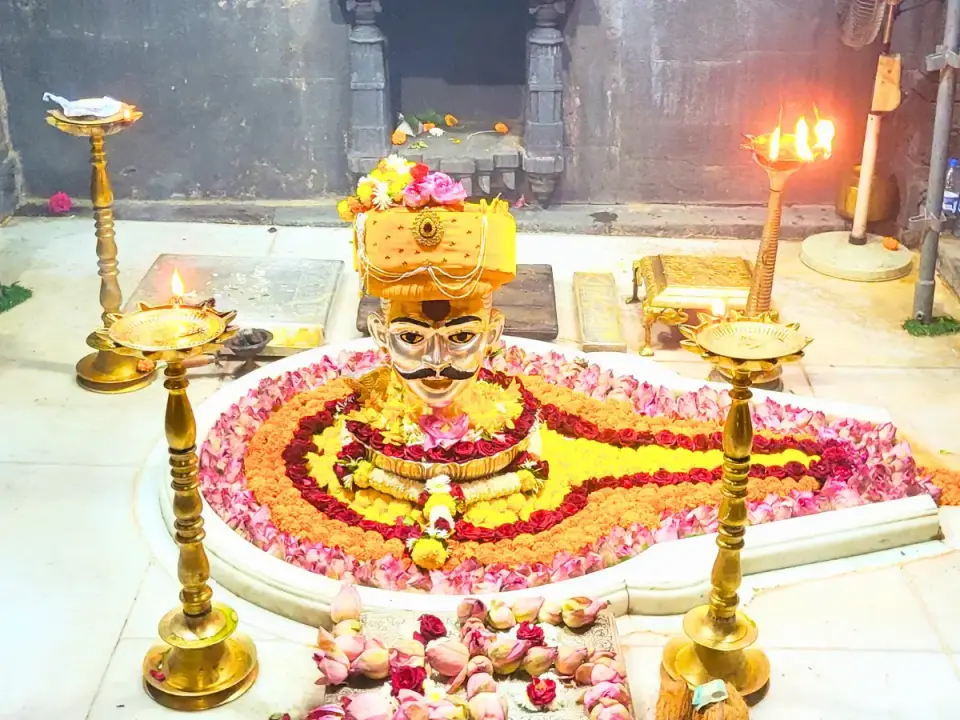
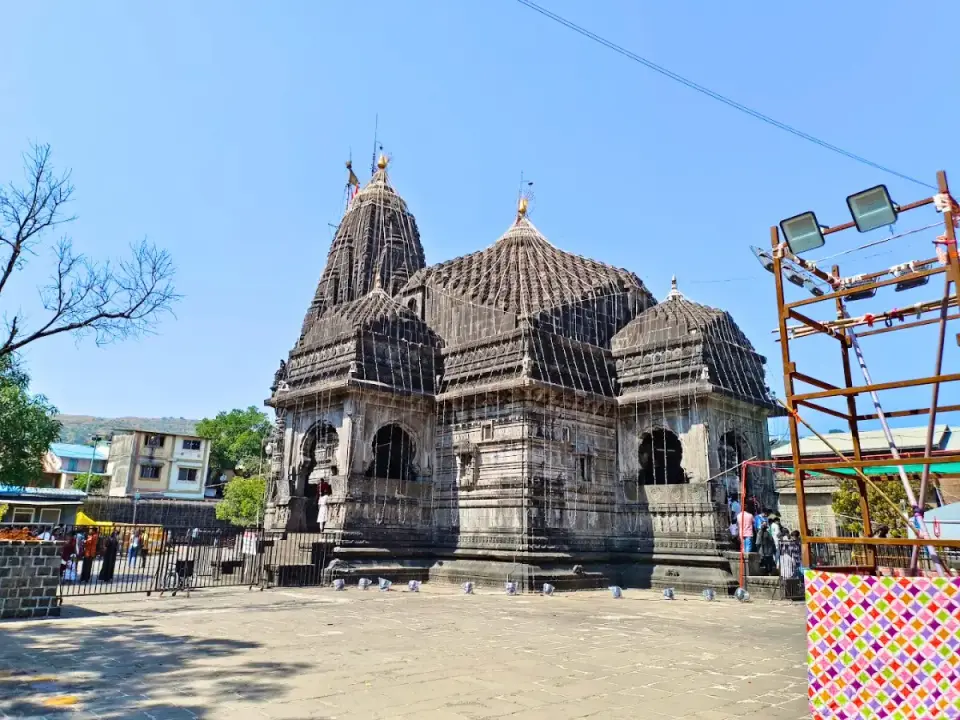
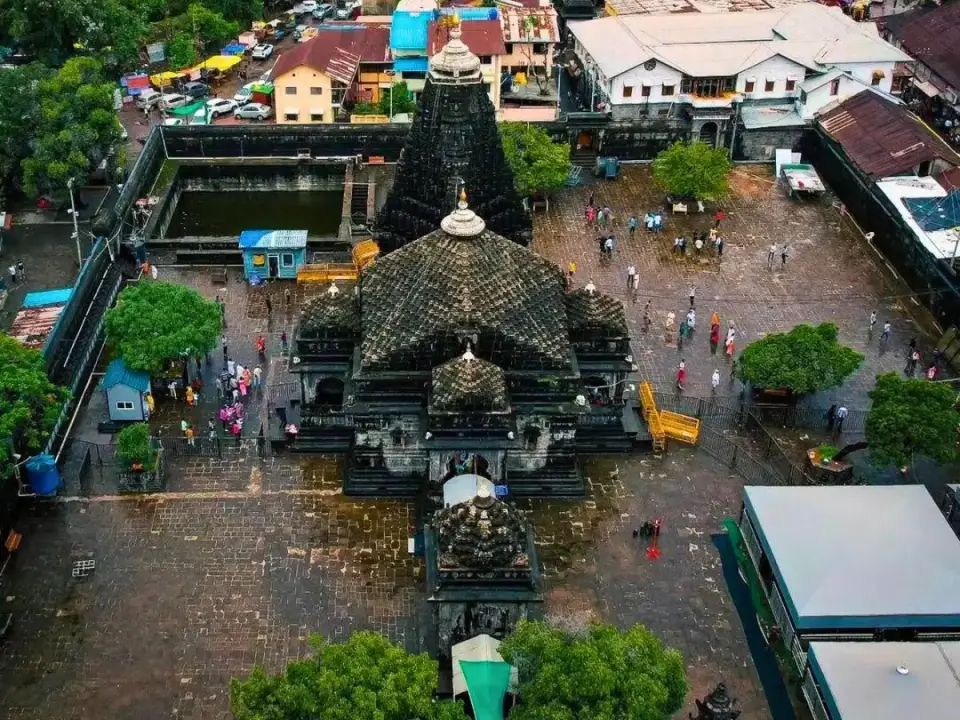
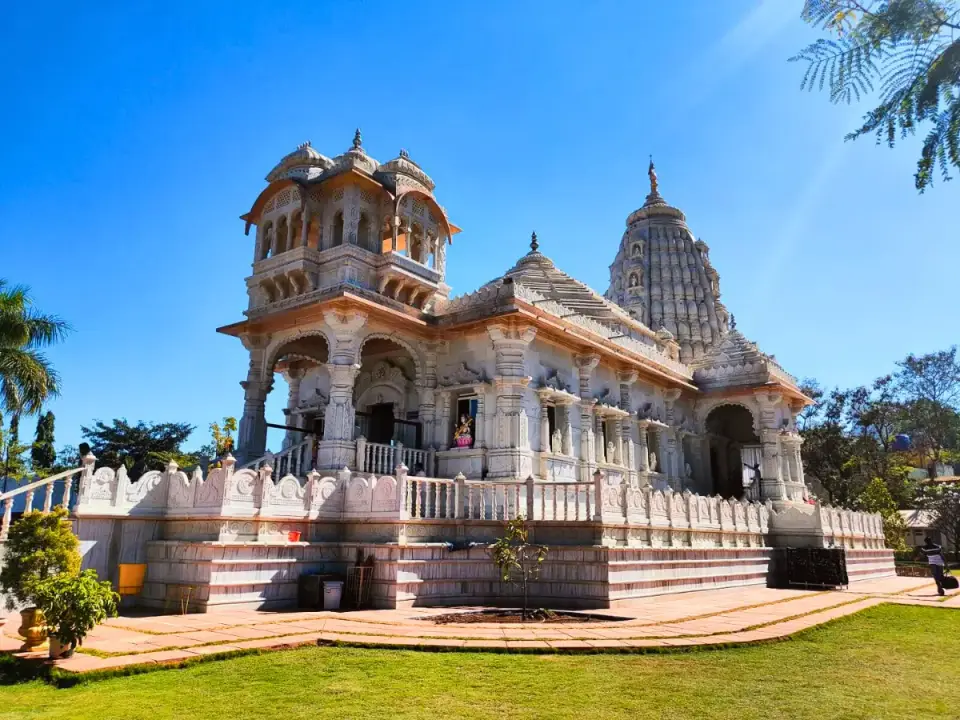
Trimbakeshwar is one of the 12 Jyotirlingas of Lord Shiva, in Trimbak town about 28 km from Nashik. The temple is open from about 5:30 am to 9 pm every day. General darshan is free; a VIP pass costs ₹200 and is booked on the temple trust’s website. Phones are not allowed inside. Weekday mornings are quietest; Mondays and Shravan are the most crowded.
Trimbakeshwar temple timings
The temple opens at about 5:30 am and closes at about 9 pm, every day of the year. VIP pass holders can choose a slot between 6 am and 8 pm, and the last entry for everyone is at 9 pm.
The trust changes timings during Shravan, Mahashivratri and the Kumbh Mela, when the temple opens earlier and queues are managed differently. If you are travelling on one of those days, check the trust’s notices first.
Aarti and pooja timings
- Morning aarti: when the temple opens, early in the morning
- Midday pooja: around 1 pm (the sanctum closes briefly)
- Evening pooja: around 7 pm
- Night aarti: at closing, around 9 pm
- Monday palkhi: every Monday afternoon, the deity’s golden crown is carried in procession to Kushavarta Kund and back
Exact aarti minutes vary by season. Reach 30 minutes early if you want a good place.
Trimbakeshwar VIP darshan: price and online booking
The VIP darshan pass costs ₹200 per person. Children under 10 and people with disabilities (with a UDID card or certificate) do not pay. It gets you into a separate, faster queue; it does not include any pooja.
How to book online:
- Go to the Shri Trimbakeshwar Devasthan Trust website, trimbakeshwartrust.com/onlinevip.
- Sign in with a Google account.
- Choose your date and time slot, and add up to 4 more people.
- Enter an ID type and number (PAN card or another ID).
- Pay online, then download the QR pass from the Transaction History page.
- At the temple, show the QR pass and the same ID at the gate.
The pass is valid only for the booked date and cannot be transferred. You can cancel within 30 minutes of booking; after that it is not refundable.
Book only on the trust’s own website. Several look-alike sites and agents sell “VIP darshan” at a mark-up. In Shravan and on festival days, passes sell out days ahead.
Darshan waiting time
How long you wait depends almost entirely on the day:
- Tuesday to Thursday, before 8 am: often under an hour
- Normal weekdays later in the day: about 1 to 2 hours
- Mondays and weekends: several hours
- Shravan Mondays and Mahashivratri: 6 to 8 hours in the general queue
A VIP pass usually brings the wait down to about an hour, a little more on the busiest days.
Rules, dress code and what you can carry
- Phones are not allowed inside the temple, nor are cameras, tablets or smartwatches. Use the lockers at the gates or leave them in your car.
- No leather belts, wallets or bags in the inner area.
- Photography is not allowed inside.
- Dress modestly. Women usually wear a saree or salwar kameez. For poojas and close darshan, men wear a dhoti or sovale and remove their shirt; these can be hired near the temple.
- Carry the same ID you used for your VIP booking.
Why Trimbakeshwar is special
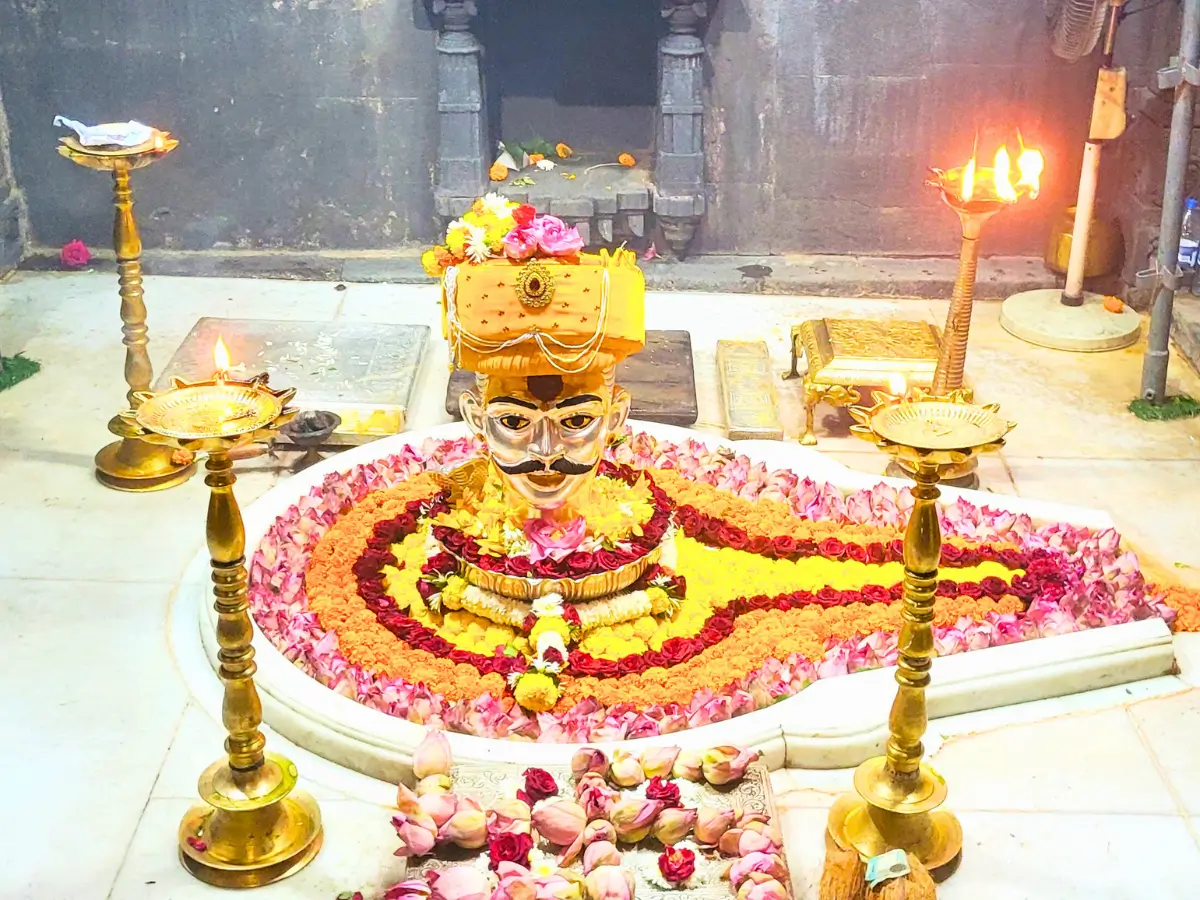
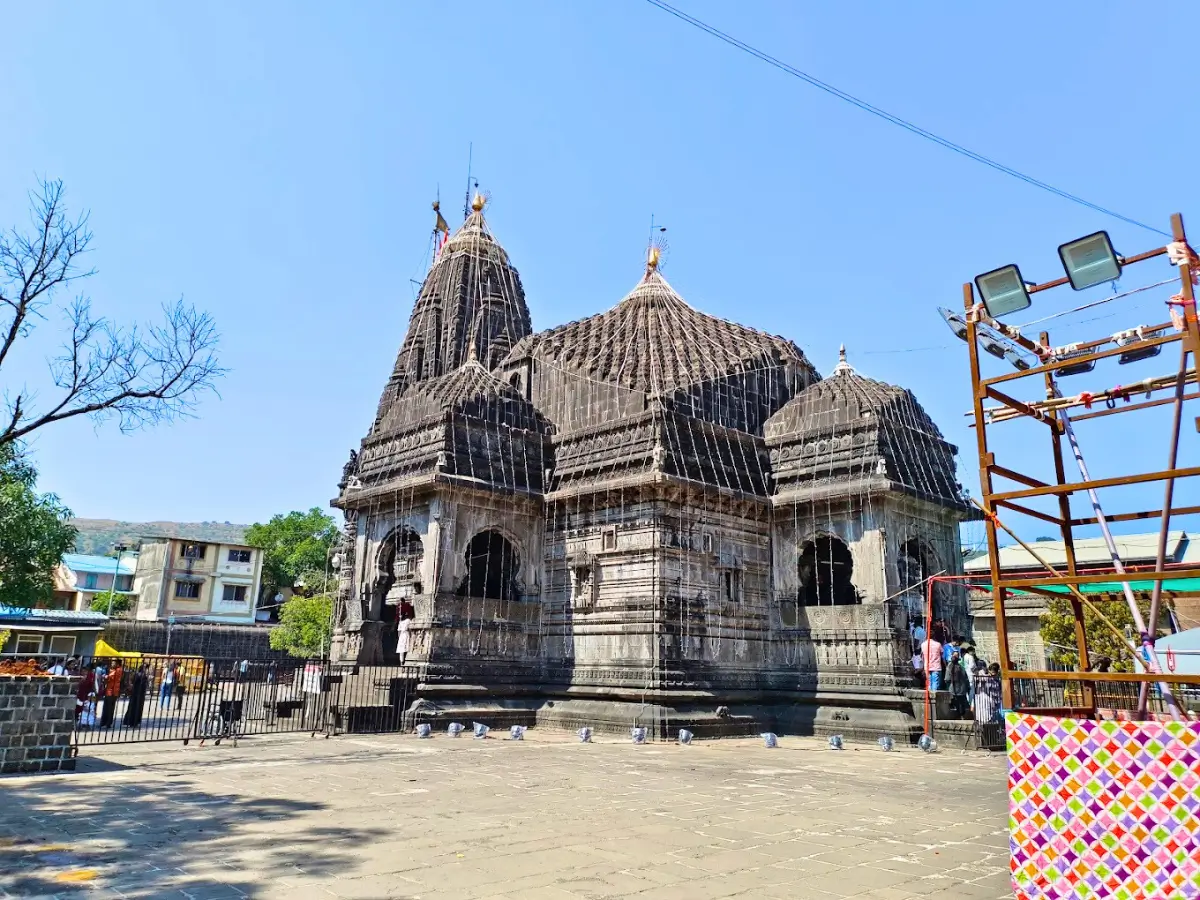
Trimbakeshwar is one of the 12 Jyotirlingas, the most sacred Shiva shrines in India. Its lingam is unusual: it has three small faces, representing Brahma, Vishnu and Shiva together.
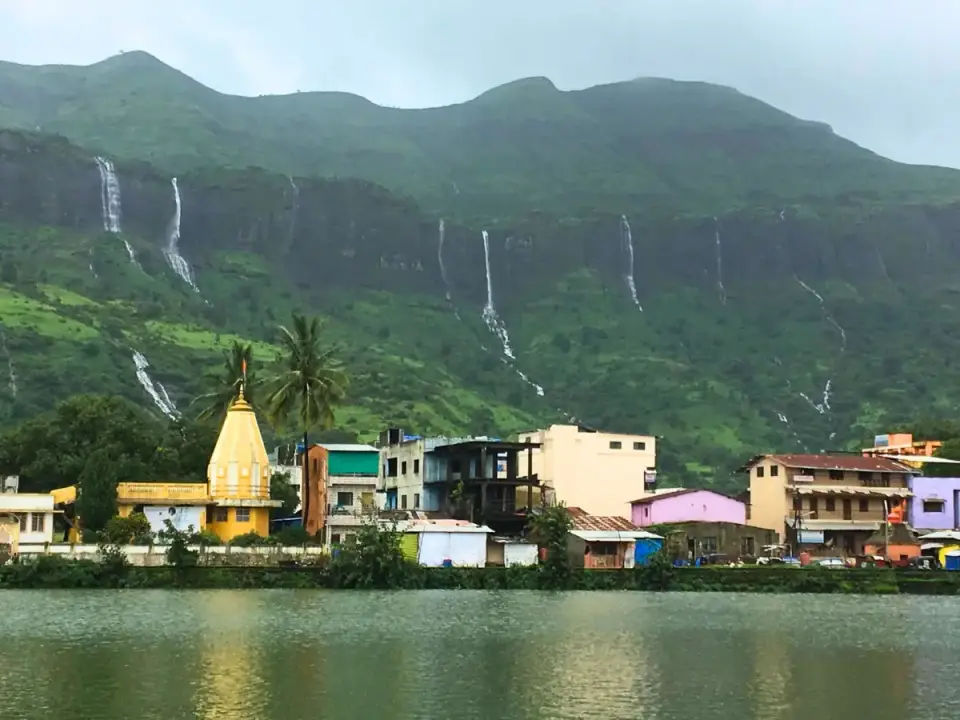
The Godavari, one of India’s longest rivers, starts on Brahmagiri hill directly behind the temple. That makes Trimbak a major place for rituals for ancestors, and for the Simhastha Kumbh Mela held here and in Nashik every 12 years.
The present black-stone temple was built in the 18th century by Peshwa Balaji Bajirao (Nanasaheb), and it was consecrated in 1756.
Kumbh Mela 2026–28 at Trimbakeshwar
The Nashik–Trimbakeshwar Simhastha Kumbh Mela begins on 31 October 2026 with the flag hoisting at Trimbakeshwar and at Ramkund in Nashik, and it ends in July 2028.
The main Amrit Snan (royal bath) days are:
- 2 August 2027
- 31 August 2027
- 12 September 2027 at Trimbakeshwar (11 September in Nashik)
On these days Trimbak becomes extremely crowded, vehicle entry is restricted and normal darshan may not be possible. If you are not coming for the Kumbh itself, avoid these dates. For the full schedule, the two bathing sites, transport and stay, read our Nashik Kumbh Mela 2026–28 guide.
Famous poojas at Trimbakeshwar
Many people come to Trimbakeshwar specifically for these rituals. They are done by authorised priests, mostly near Kushavarta Kund and the temple, and should be booked in advance. Costs below are typical ranges; confirm with the priest before you book.
- Narayan Nagbali: done for peace of ancestors and to remove pitru dosh. It takes three days. From about ₹15,000.
- Kaal Sarp Shanti: done for kaal sarp dosh in a horoscope. One day. About ₹3,000 to ₹10,000.
- Tripindi Shraddha: done for ancestors. One day. About ₹5,000 to ₹12,000.
- Rudrabhishek: a shorter Shiva pooja for health and well-being. From about ₹1,000.
Best day and time to visit
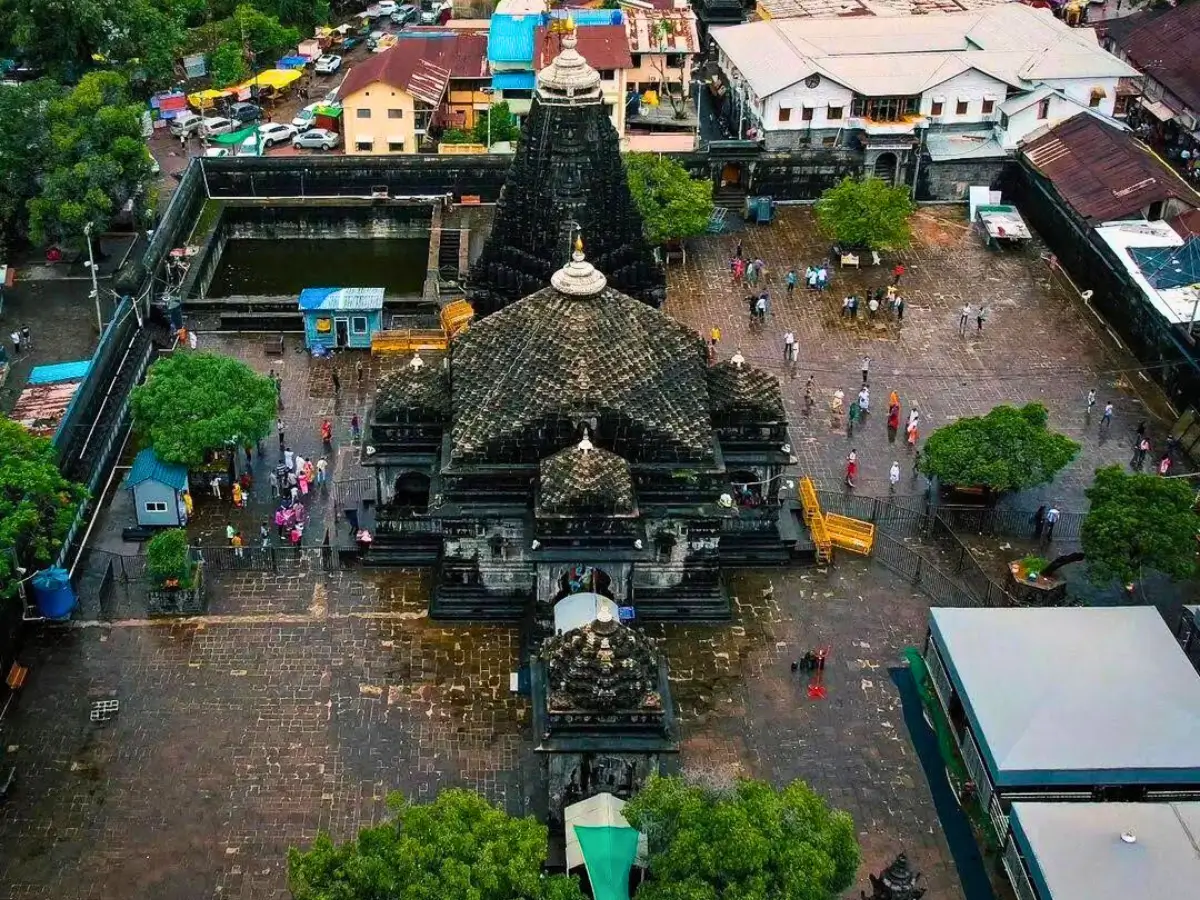
Tuesday to Thursday, between 5:30 and 8 am, is the easiest time. Mondays are sacred to Shiva, so they are always busy, and the four or five Shravan Mondays (July–August) are the busiest days of the year.
October to February has the most pleasant weather. The monsoon turns Brahmagiri green but adds to weekend crowds.
How to reach Trimbakeshwar
From Nashik (28 km, 45 minutes to 1 hour): MSRTC buses run frequently from the CBS bus stand. A taxi costs about ₹800 to ₹1,500 one way. Ola and Uber work in Nashik, but finding one back from Trimbak is hard, so book a return trip.
By train: the nearest station is Nashik Road, about 30 km away and well connected to Mumbai and Pune. Take a taxi or a bus to Nashik CBS and change there.
From Mumbai (about 170 km, 4 hours): drive via the Mumbai–Nashik highway and Igatpuri, then turn off towards Trimbak.
From Pune (about 240 km, 5 to 6 hours): drive to Nashik via Sangamner, then on to Trimbak.
Where to stay
- Bhakta Niwas (temple trust): simple, clean rooms close to the temple, usually ₹300 to ₹800 a night. Book through the trust’s website or at its office.
- Lodges and small hotels in Trimbak: walking distance from the temple, about ₹800 to ₹2,000 a night.
- Nashik: better hotels, about an hour away.
Stay in Trimbak if you want an early darshan or a pooja. Stay in Nashik if comfort matters more and you have a car.
One-day Trimbakeshwar itinerary
- Before 7 am: darshan, then a walk to Kushavarta Kund.
- 8 am: breakfast in Trimbak.
- 9 am: climb Brahmagiri (1.5 to 2 hours up) or visit Anjaneri.
- 1 pm: lunch in Nashik.
- Afternoon: Panchavati and Ramkund, or a vineyard visit, before heading home.
Places to visit near Trimbakeshwar
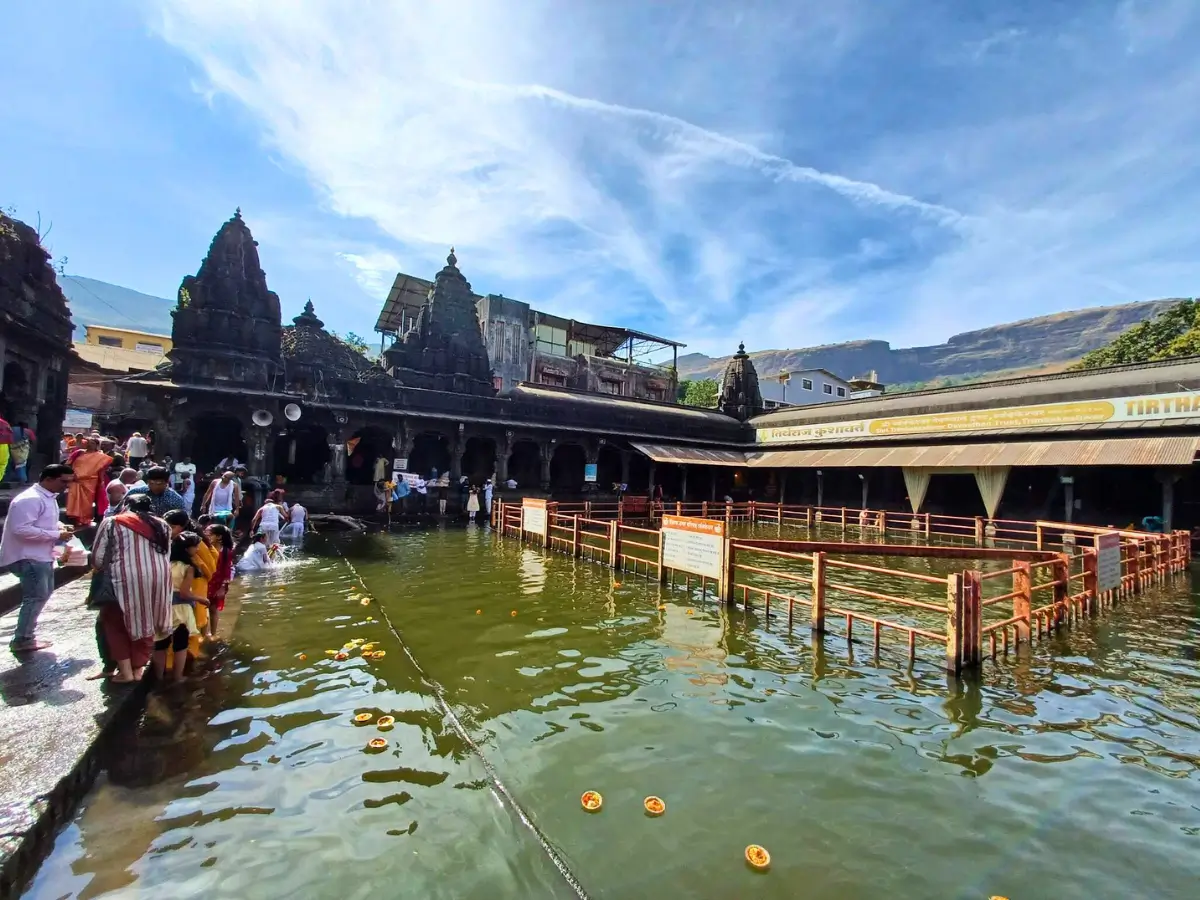
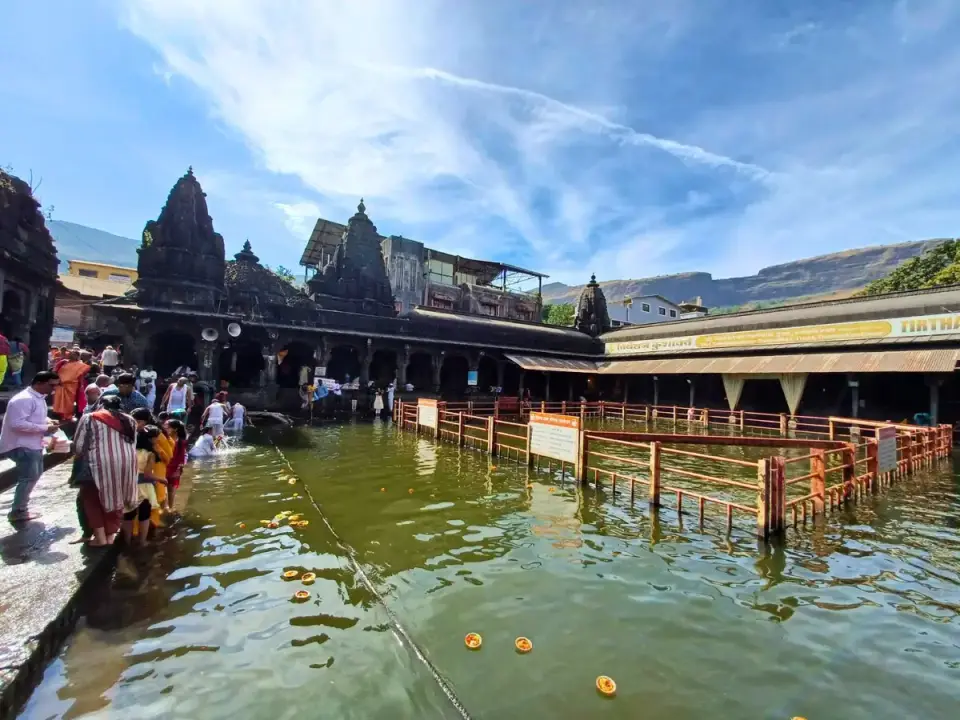
- Kushavarta Kund: the sacred tank in Trimbak town, linked to the Godavari. Pilgrims bathe here before darshan.
- Brahmagiri hill: the source of the Godavari, behind the temple. A climb of 1.5 to 2 hours on steps, best started early.
- Anjaneri: the hill said to be the birthplace of Lord Hanuman, on the Nashik road a few kilometres before Trimbak. A moderate 2 to 3 hour trek.
- Panchavati and Ramkund, Nashik: temples and ghats linked to the Ramayana, about 30 km away.
- Harihar Fort: the fort with the near-vertical rock-cut steps. The usual start, Harshewadi, is 13 km from Trimbakeshwar.
- Kalsubai: Maharashtra’s highest peak, about two hours away if you want to add a trek.
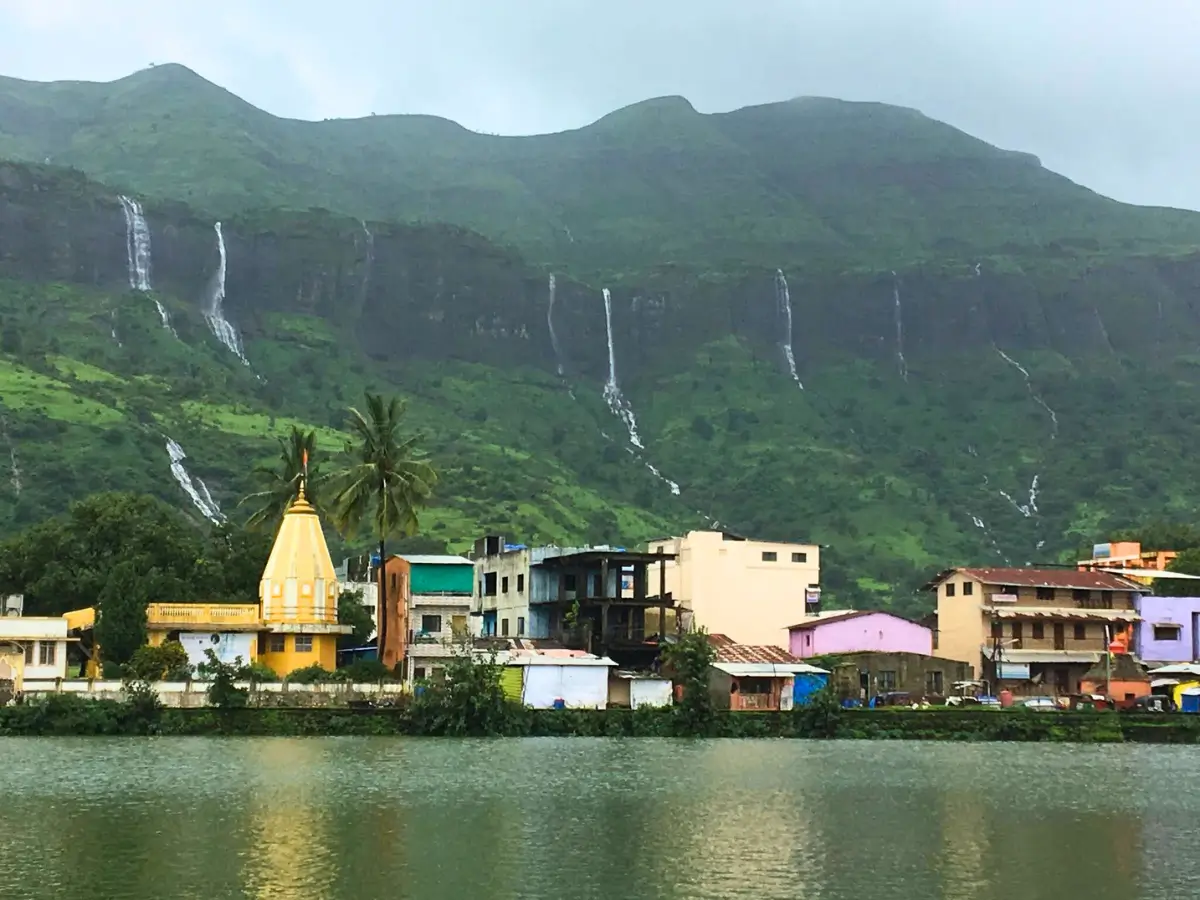
Cover Image by Somdev Chattaraj